



Bonnaroo is taking 2027 off after back-to-back storm-hit years, giving The Farm time to recover. Here’s what it means
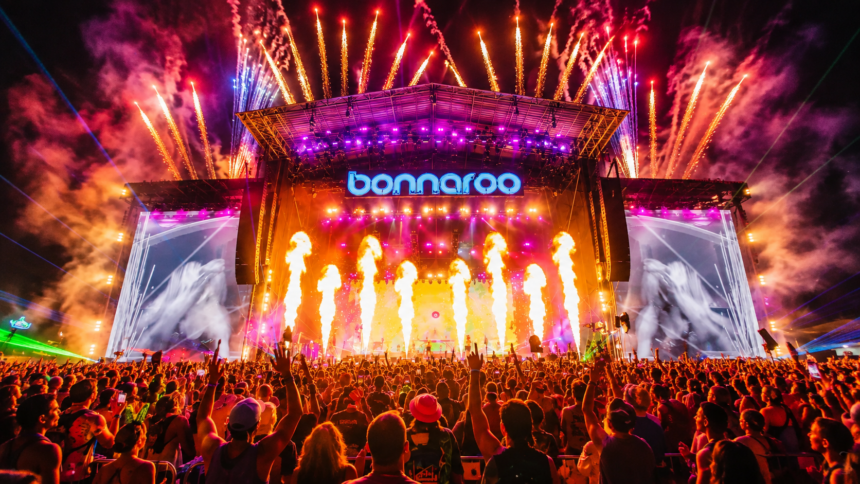
The quiet was the first sign something was wrong. Bonnaroo almost always announces next year’s dates in July, a ritual as dependable as the sunrise sets on The Farm. This year, July came and went with nothing, and the silence stretched into August until the rumors hardened into dread. On Friday morning, August 21, the Manchester, Tennessee institution confirmed what fans had been bracing for: there will be no Bonnaroo in 2027.
The festival framed it as a pause, not an ending.
Bonnaroo will be taking a much-needed year off in 2027,” organizers wrote in a statement posted across the festival’s channels. “This wasn’t an easy decision, and not one we take lightly, but in our hearts, we know this break will only make Bonnaroo better”
The Farm Needs Time to Heal
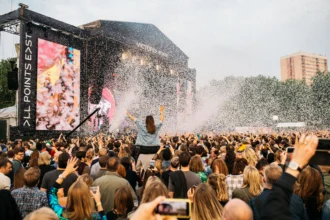
The culprit is weather, and the damage is literal. Three of the last six Bonnaroos have been derailed by forces largely outside anyone’s control. The 2020 and 2021 editions fell to the COVID-19 pandemic, the 2025 festival was shut down after a single day when a storm flooded the grounds, and the third day of the 2026 event was hit with severe-weather delays of its own. For a festival built on 700 acres of Tennessee farmland, rain is not an inconvenience. It is an existential threat.
What makes this year’s decision sting is how hard organizers tried to prevent it. Ahead of 2026, Bonnaroo poured serious money into fortifying The Farm, adding improved drainage, 4.5 miles of new roadways, and 135 acres of new grass, all designed to strengthen the site’s resiliency to Mother Nature. It wasn’t enough. A heavy rainstorm on the final Sunday turned the main venue, Centeroo, into a mud pit despite truckloads of mulch, and the festival concluded that the land simply needs to rest. “With limited time to recuperate from back-to-back years of storms,” the statement read, “The Farm, particularly the main venue, needs a break to rest and recover.”
A Town Left Holding the Bag
Lost in the discourse about lineups and refunds is the town that Bonnaroo built its myth on. Manchester Mayor Joey Hobbs acknowledged the festival’s absence would be felt well beyond the music fans. “For many years, Bonnaroo has been part of the summer fabric of Manchester,” he said. “June 2027 will certainly feel different without it.” He pointed specifically to the local nonprofits and youth leagues that work concessions at the festival every year, turning long hours into real funding for their programs. A gap year on The Farm means a gap year in those budgets too.
The decision, made by Live Nation’s C3 Presents, also closes a strange chapter of speculation. When dates failed to materialize, fans turned detective. Barry Courter, a host of the Bonnaroo-centric podcast The What, told listeners earlier this month that he had pushed festival officials for answers and went “all the way to the top,” only to be told they were “dealing with other stuff.” Organizers had even surveyed attendees about moving the festival from June to September, plans now abandoned entirely.
For a festival that has run almost every year since 2002, a voluntary hiatus is a remarkable admission. It reflects a larger reckoning across the live-music industry, where climate volatility has turned large outdoor events into high-stakes gambles. Bonnaroo is betting that stepping back now protects the thing that made it special. The positivity, the community, the radiate-good-vibes ethos that defines Bonnaroovian culture. The Farm will lie fallow for a season. The hope, stated plainly, is that it comes back stronger.