


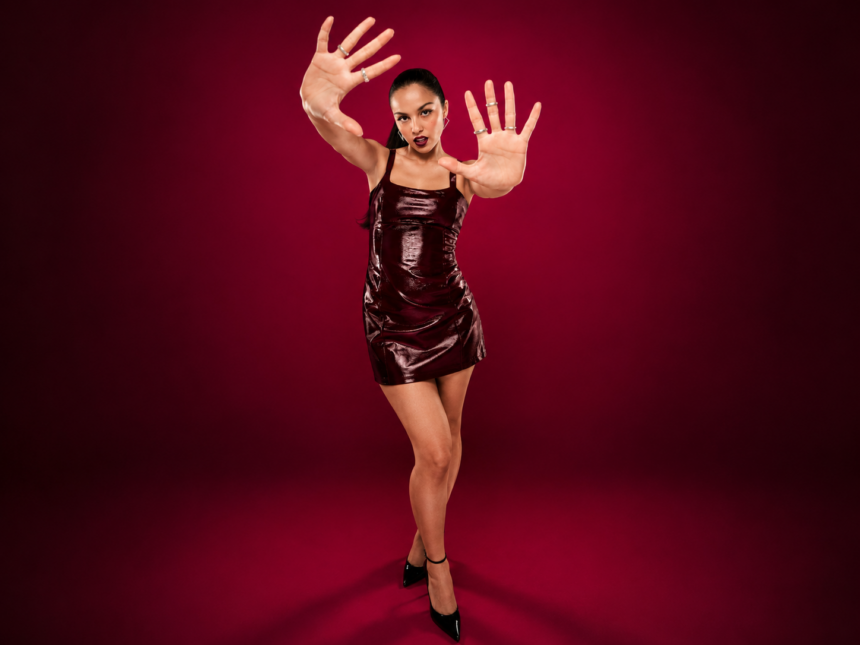
Olivia Rodrigo’s Daisy Chain Fields reveals a 14-set schedule with zero overlaps, closing the sold-out benefit fest August 29
Olivia Rodrigo has solved the festivalgoer’s oldest and most agonizing problem: the schedule conflict. On August 11, the pop star unveiled the full running order for the inaugural Daisy Chain Fields, and it arrives with a deliberate structural promise. Across 14 sets on two stages, not a single performance overlaps. The one-day benefit festival takes place August 29 at Great Park in Irvine, California, and its design ensures ticket holders can catch every artist on the bill without sacrificing one act for another.
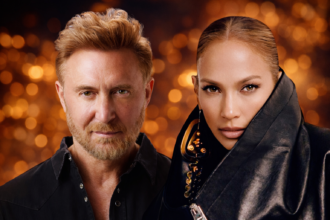
The mechanics are simple and pointed. The Dandelion and Marigold stages alternate throughout the day, handing off cleanly from one performance to the next. Music opens with Quiet Light at 11:20 a.m. and runs continuously until Rodrigo closes the night from 8:40 to 10:00 p.m., her set billed as “Olivia Rodrigo & Special Guests.” That framing leaves room for the previously announced guest appearances from Stevie Nicks, Karen O and Sarah McLachlan, though the schedule stops short of specifying when each will surface.
A Lineup Built As A Statement
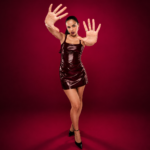
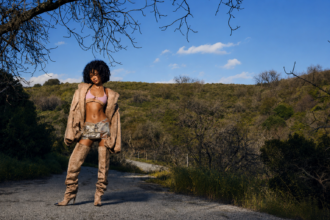
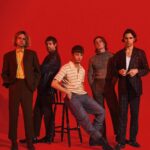
The running order builds with intent. Bikini Kill hits the Marigold stage from 2:50 to 3:30 p.m., handing directly to Mitski at 3:40 and The Breeders at 4:30. Doechii takes over at 5:20 p.m., followed by Garbage at 6:10, Chappell Roan at 7:00 and Not for Radio at 7:50. The all-women and female-fronted bill also features Santigold, KATSEYE, Die Spitz, Rachel Chinouriri, Eli and others, a spread that moves from riot grrrl to pop to hip-hop without apology.
The commercial signal here is impossible to miss. When tickets went on sale June 24, Daisy Chain Fields sold out in roughly 30 minutes, with four price tiers running from $255 general admission up to $1,255 pit viewing, and every option quickly pushed to a waitlist. For a first-year festival with no track record, that velocity reads as raw demand for both Rodrigo’s curatorial voice and the cause underneath it.
The Business Of Doing Good
Founded by Rodrigo and produced by C3 Presents, Daisy Chain Fields was conceived as a benefit supporting women and girls, with every performer appearing for free. Proceeds are directed to a coalition of organizations including Planned Parenthood, the Center for Reproductive Rights, Black Mamas Matter Alliance, Baby2Baby and the National Women’s Law Center, among others. Beyond the music, the grounds will host art installations, activist spaces and goods from women-led businesses and artisans.
The festival extends a philanthropic infrastructure Rodrigo has been building for years. In 2024 she launched her Fund 4 Good initiative, later announcing more than $2 million donated to charities through proceeds from her Guts World Tour, and in 2025 Planned Parenthood presented her with its Catalyst of Change award. Daisy Chain Fields also carries an explicit lineage: Rodrigo has cited Lilith Fair as inspiration, appearing in the 2025 documentary “Lilith Fair: Building a Mystery,” and Lilith co-founder Sarah McLachlan now sits among the festival’s guests.
The timing sharpens the stakes. Rodrigo unveiled her latest album, “you seem pretty sad for a girl so in love,” on June 12, and will support it with a lengthy 2026-2027 headlining tour. Daisy Chain Fields functions as both a values statement and a commercial proof point, a sold-out, artist-founded event that turns a curatorial gesture into measurable fundraising. In an era where festival brands struggle to launch and survive, Rodrigo has engineered one that sold out before a single set time existed, then removed the last friction point standing between fans and the entire bill.