


Tomorrowland 2026 unveils its record-breaking Consciencia mainstage as the festival roars back at full power in Belgium
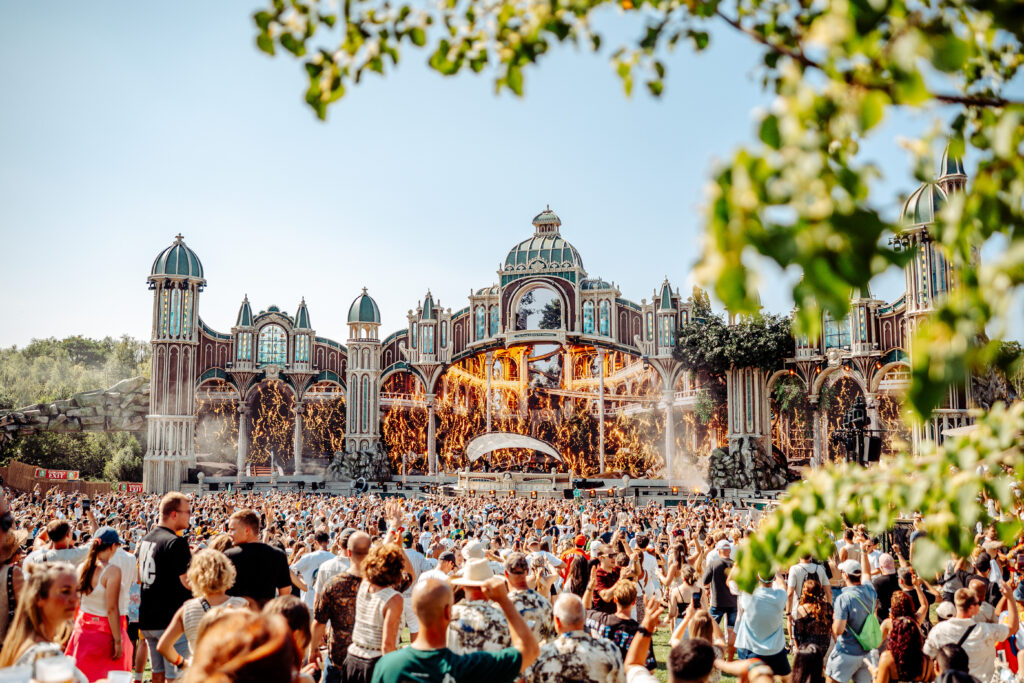
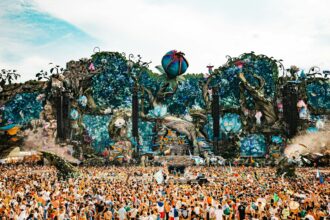
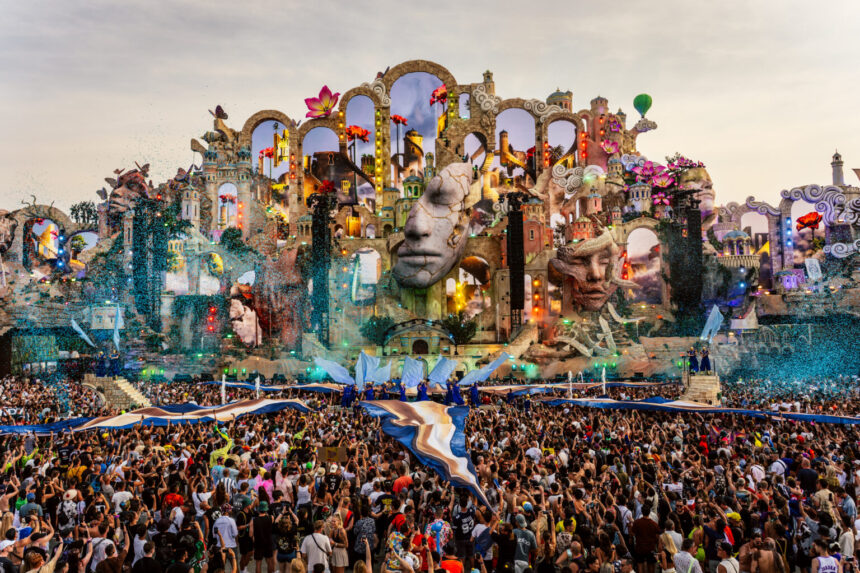
Tomorrowland has always sold a fantasy, but in 2026 it built the biggest one in its history. A year after a fire destroyed its mainstage two days before opening, the Belgian mega-festival returned to De Schorre park in Boom with Consciencia, believed to be the largest structure it has ever erected. The numbers alone read like a flex: a 141-foot-tall, 459-foot-wide titan armed with 56 lasers, 38 water fountains, two waterfalls and relentless pyro. For a festival marking its 20th edition, the message was unmistakable. The trial of 2025 did not diminish Tomorrowland. It set the stage for its most ambitious chapter yet.
The recovery context matters. In 2025, crews lost the completed Orbyz mainstage to flames and improvised an emergency replacement in under 24 hours, reportedly using parts pulled from Metallica’s touring rig. That scrappy, stripped-back structure hosted both weekends and became an accidental symbol of resilience. Consciencia is the answer to it, a design built around six primal emotions (Wonder, Love, Anger, Joy, Desire and Sadness), each rendered through giant faces, bridges, staircases and cascading water, with a central visage named Amutaz representing human consciousness itself.
A Festival That Locked In Its Blueprint
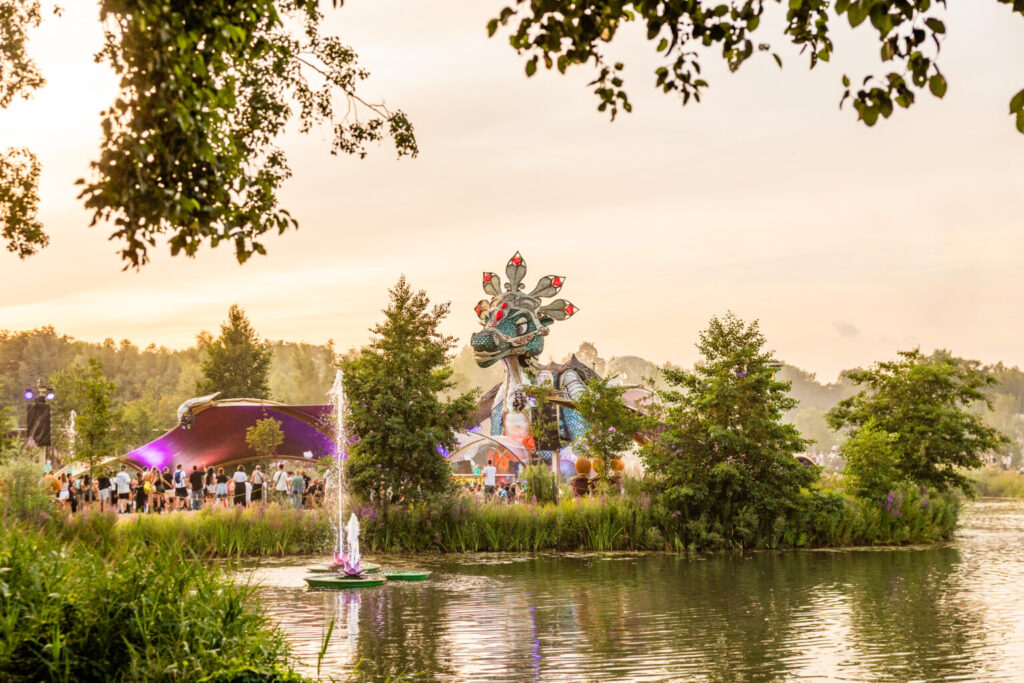
What stood out in 2026 was not just scale but discipline. Tomorrowland has settled into 16 stages and turned many into full-fledged brands, a maturation that mirrors what Ultra and EDC Vegas have done. Rather than reinventing itself annually, the festival now refines. The clearest example was the reimagined Crystal Garden, which floats on a lake and remains one of the most beautiful stages in dance music. For 2026 it received a new tent structure, a risky move that could have flattened its magic. Instead, Tomorrowland covered every beam and piling in bespoke detailing, added inflatable ribbing to give the roof a three-dimensional shape, and preserved the fountains and hanging gardens that make it feel like a portal.
Elsewhere, the in-house identity deepened. Atmosphere went full hard techno beneath a suspended monolith LED, while a brand new stage called Celestia replaced Rise with a delicate butterfly design stretching over the crowd. The festival’s programming philosophy has shifted too, leaning less on external hosts and more on its own brands like CORE, Symphony of Unity and its growing in-house roster, a sign of a festival confident in its own curatorial voice.
Golden Era Spirit In A Nihilistic Age
The music sprawled across every corner of dance culture, from big-room anthems to trance, techno, bass and hardstyle, with the mainstage functioning as a sampler and the niche stages offering deeper dives. The 20th edition leaned hard into legacy. Calvin Harris headlined the mainstage for the first time in Tomorrowland history, his first appearance on a Tomorrowland stage since TomorrowWorld in 2013, while debut sets from Novah, Marlon Hoffstadt and Chase & Status shared space with returning pillars like Martin Garrix, David Guetta, Armin van Buuren and Amelie Lens.
Perhaps the most emotionally resonant addition was the Avicii Tribute Experience, marking 15 years since his legendary mainstage debut. The immersive installation gathered never-before-seen footage, personal items shown for the first time outside Stockholm, and newly remastered Spatial Audio versions of his 2012, 2014 and 2015 sets. In an era where much of the scene has drifted toward darker, more nihilistic tones, that tribute crystallized what Tomorrowland still stands for. It proudly carries the torch for dance music’s Golden Era, that uplifting sense that anything is possible. Operating at the absolute peak of its powers, Tomorrowland proved once again that it is less a festival than a pilgrimage, and Consciencia was its grandest cathedral yet.