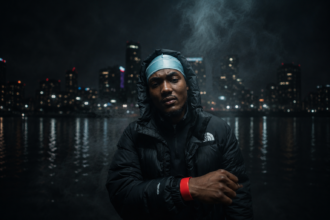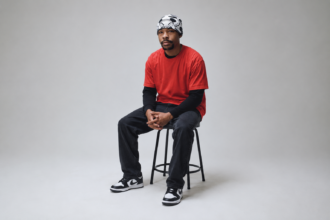




Yeat drops his sixth album ‘ADL,’ a 21-track double LP with BNYX, YoungBoy, Don Toliver, Elton John, and more. Does it deliver?
Yeat told the culture he was done playing around. Sitting across from Zane Lowe for his first in-depth interview in five years, the Oregon-bred rapper described ADL as “a new tone-setter” and the first album of his career where he put “a lot of real, real effort into the album itself.” That is a lot of weight to carry into a double album. Yeat, born Noah Smith, has stacked six Billboard Top 10 debuts in under three years, including LYFESTYLE topping the Billboard 200 in 2024 with 89K equivalent album units first week. ADL arrives as his most ambitious project yet: 21 tracks, two full discs, and a collaborator list that somehow spans YoungBoy Never Broke Again, Elton John, Grimes, Kid Cudi, Julia Wolf, Joji, and Kylie Jenner. The question is not whether Yeat showed up to work. He clearly did. The question is whether the finished product justifies the hype he built around it. Yeat’s rollout was indisputably elite. He triggered the culture by hanging a prosthetic arm from a New York City taxi, channeling a shock tactic straight out of The Sopranos playbook. He announced the tracklist atop the Capitol Records Tower in Hollywood, a move that drew immediate comparisons to Drake’s CN Tower moment for Views. A full-page announcement in the New York Times. A Nike partnership making him the first rapper to drop exclusive vinyl and merch under the swoosh. An intimate dinner-table conversation with Lowe in a dimly lit restaurant that played more like a mob boss press conference than a promo run. The man understands spectacle. When it came to building the case for ADL, Yeat was untouchable.
The Production Sets a New Bar for Yeat
Then you hit play, and things get more complicated. The good news is that ADL represents Yeat’s most sonically varied work to date. BNYX, who helms the majority of the production across both discs, delivers some of his most complete work to date. His contribution on “Face the Flamë” stacks choral samples from Grimes over heavy, looping synth passages that feel genuinely cinematic. “Griddlë,” featuring Don Toliver, is the duo’s fifth collaboration and arguably their strongest, built around start-stop drums and lush, shifting layers that give both artists room to operate at their sharpest. Elsewhere, Shlohmo contributes a queasy, slow-drip menace on “Dangerous House,” and Dylan Brady from 100 gecs brings his overdriven, fidgety energy to “Let King Tonka Talk.” “Purpose General” opens with choir arrangements that sound like a Life of Pablo outtake, while “Lose Control” flips an Elton John sample in a move Kanye fans will clock immediately. In an October 2025 interview with Complex, Yeat characterized his approach to ADL as “polished and meticulous,” and on the production front, that description holds up.
Yeat the Lyricist Still Leaves Much Unsaid
Where ADL tests patience is in what Yeat does inside all that sound. His vocal approach has always leaned atmospheric, using his presence as an instrument rather than leaning on bars. That works on this album’s best tracks. It falls short across too much of the record’s second half. YoungBoy Never Broke Again anchors “Face the Flamë“ with the kind of effortless, half-yelled energy that has made him the most in-demand feature in rap right now. He and Yeat have chemistry that dates back to their 2023 link on “Shhmunk,” and it is front and center here. Julia Wolf, fresh off her co-sign from Drake on 2025’s “DOG HOUSE,” adds genuine emotional texture to “My Way,” blending her hushed vocals against Yeat’s signature alien production palette. Those moments land. Then there is the Kylie Jenner situation. Under her “King Kylie” alias, she contributes barely ten seconds of monotone delivery that functions less as a creative choice and more as a brand activation. The Kylie cameo is the clearest example of ADL’s recurring tension between artistic ambition and celebrity marketing logic.
Yeat credited his sobriety, the end of a relationship, and a conversation with his manager Zack Bia as turning points in how he approached this album. He even traveled through Europe and Japan for inspiration, renting a villa in Saint-Tropez to work alongside BNYX and producer Sapjer. That level of intentionality shows up in flashes. Kid Cudi raps about real damage on “NO MORE GHOSTS” and it stings next to Yeat’s more surface-level bravado elsewhere. 070 Shake’s four-line contribution to “Went Wrong” says more about heartbreak than most of the record’s second disc. The moments of genuine emotional access are there. They just need more room to breathe inside a 21-track project that periodically smothers them. Clash described the album as a “widescreen blockbuster that is big on stunning vistas, and short on plot,” and that assessment is not wrong. ADL is unmistakably the work of a generational talent still figuring out what kind of artist he wants to be when the spectacle fades.