



Tyga admits using AI on his ’80s-inspired album ‘$tarface,’ comparing the tool to Auto-Tune and shrugging off backlash
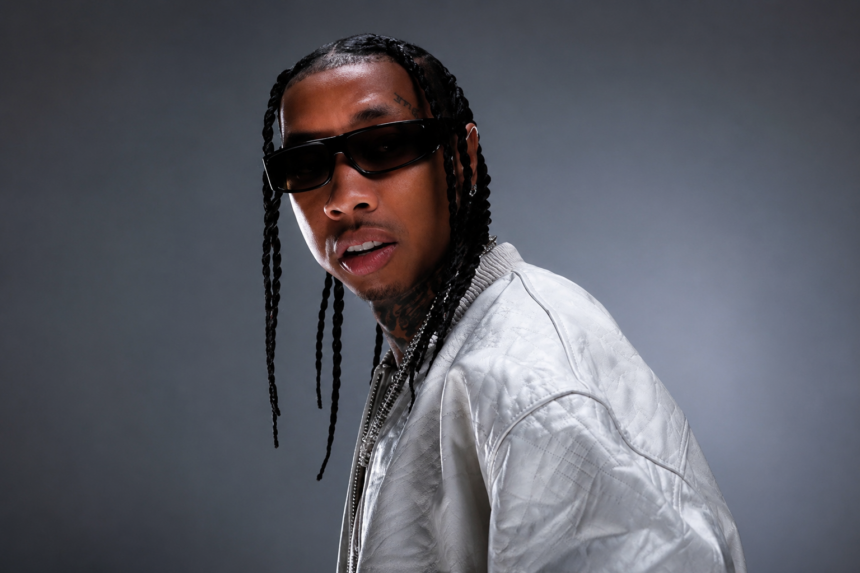
Tyga is not apologizing for letting the machines in. The West Coast rapper has confirmed that artificial intelligence helped shape his ninth studio album, the 80s-inspired $tarface, ending days of fan speculation over the record’s slick, synth-heavy sound. Speaking to Vibe, Tyga owned the process without flinching, framing AI as just the next tool in a long line of studio technology and making clear he has zero interest in the backlash. In a year when AI has become one of the loudest arguments in music, one of rap’s most commercially durable hitmakers just planted a flag squarely on the pro-tech side.
The admission arrived with the confidence of a man who has heard the criticism and shrugged. “I’ve never spoken on this with anybody because I always felt like it’s similar to a magician explaining how he does his tricks,” Tyga said. “Like why are people overexplaining how they make shit that’s good? If you like it, you like it; if you don’t, you don’t. I don’t care. It’s supposed to give you an experience and a feeling. But we definitely used AI as a tool. And I know people are going to be mad about me saying this, but it’s where technology is going.”
The Auto-Tune Argument
Tyga’s central defense is historical. He compared the current AI panic directly to the arrival of Auto-Tune, a technology once treated as cheating and now woven into the DNA of modern rap and R&B. “It’s no different than when Auto-Tune came out,” he said. “Some people were opposed to it, but real artists took it and used it. There’s nothing wrong with using technology as a tool.” It is the “adapt or die” logic increasingly favored by AI-friendly artists, and Tyga leans into it completely.
Crucially, he drew a line around what the AI actually did. According to Tyga, the technology handled specific production elements rather than the core of the record. “We were like, ‘You know what? I need some ’80 synths for a certain part of this song. I need a guitar solo done ASAP.’ It is what it is,” he explained. “But as far as the writing, all the vocals are all me.” That distinction, AI for texture and speed, human for words and voice, is the hill he has chosen to defend.
A New Persona, a Bigger Debate
The AI reveal is tangled up with a full creative reinvention. $tarface introduces an exaggerated, 80s-influenced alter-ego, a sharp swerve from the West Coast club music that built Tyga’s name on hits like “Rack City.” He describes the character as untethered from expectation. “$tarface could do whatever the f*** he wants to do. He’s on his own wave. He’s above it all. It’s a completely different thing.” After what he calls “15 years of hits,” Tyga positions the persona as license to experiment, AI included.
He is not alone in the crosshairs. The album lands amid a wider “is this AI or not?” moment in rap, with labelmate Fenix Flexin facing similar accusations over his track “RUBBERZ.” The two later linked on a song called “Lavish,” suggesting a small cohort of artists comfortable riding the AI wave into the mainstream rather than hiding it. Some reports have specifically tied $tarface’s tools to Suno, one of the most prominent generative music platforms.
The real unresolved question is not aesthetic but institutional. As labels and chart bodies scramble to write rules for AI-assisted music, projects like $tarface test where the lines fall on chart eligibility and royalty payments, issues that remain genuinely murky. Tyga, for his part, sounds unbothered by any of it. Whether audiences ultimately reward or reject the approach, he has forced the conversation into the open, and made himself an early, unrepentant face of hip-hop’s AI era. “I don’t care,” he said, and on $tarface, he clearly means it.