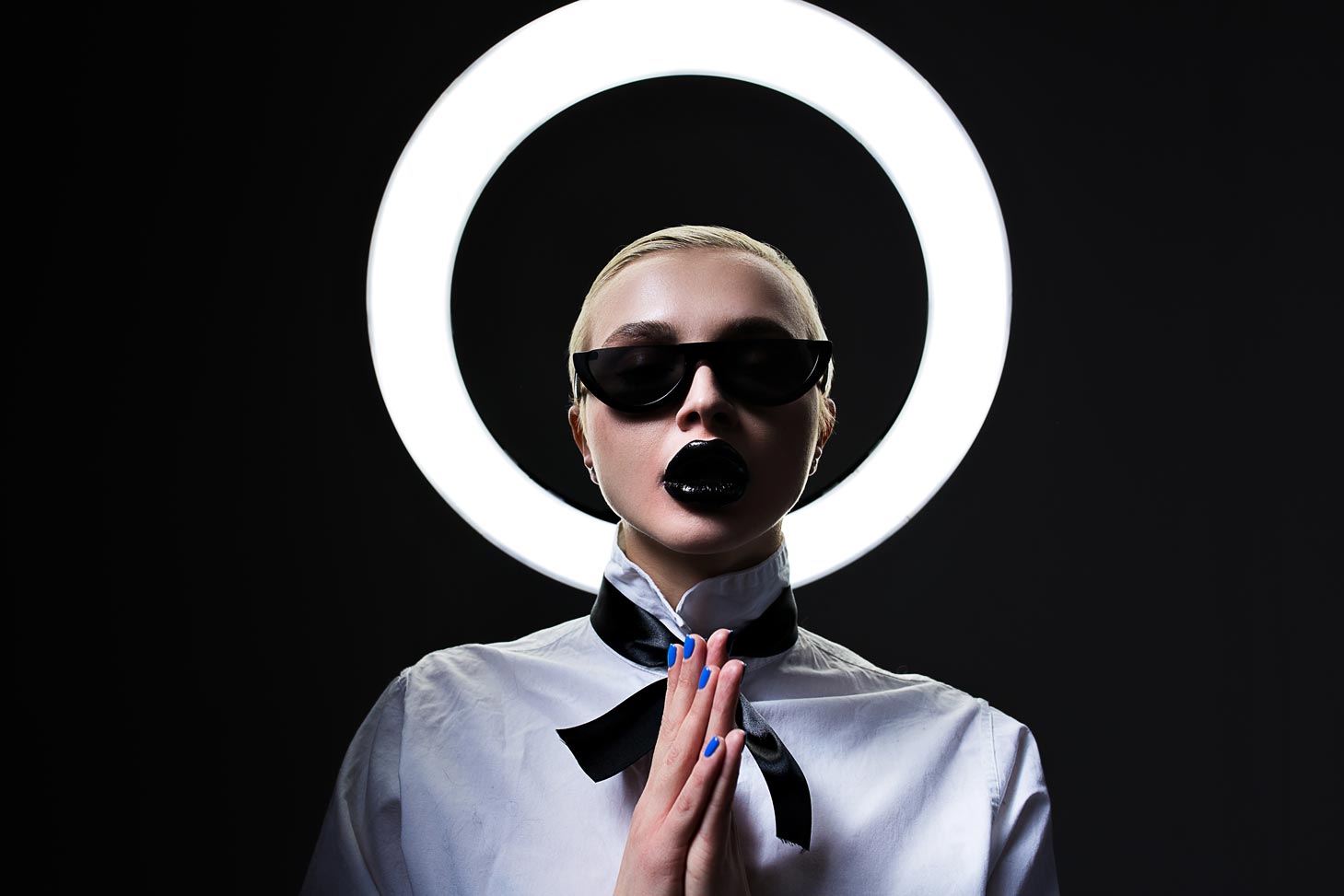




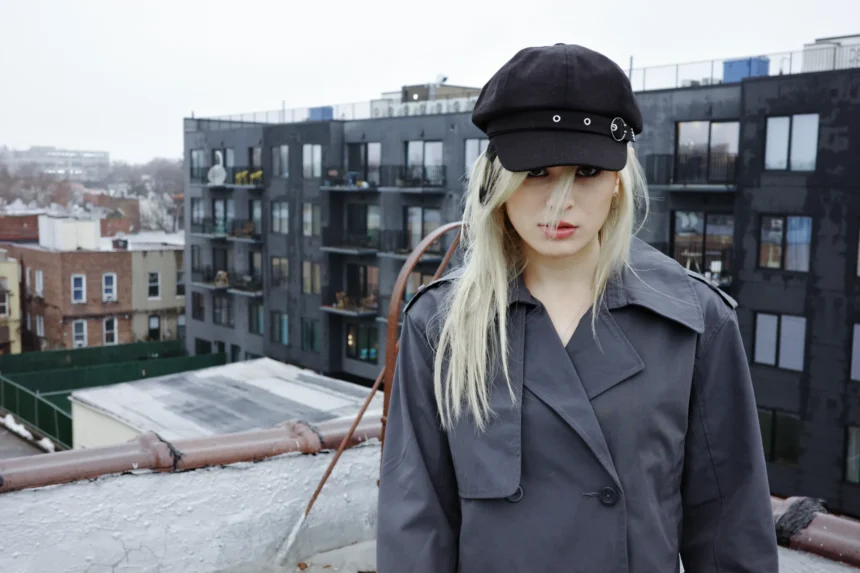
Underscores‘ third album ‘U’ is a 9-track, 34-minute hyperpop tour de force that rewrites what pop ambition looks like in 2026
Pop music has always rewarded the person most willing to want it badly enough. On U, her third album and debut for Mom + Pop, underscores, the 25-year-old Filipina American producer and songwriter born April Harper Grey, wants it more than anyone in the room. The nine-track, 34-minute record drops all conceptual scaffolding and goes straight for the throat: an engineering problem solved at full volume, a bid for pop stardom disguised as an exercise in pure pleasure.
There is no fictional midwestern town here, no alt-reality game threading through the tracklist. What replaced the labyrinthine lore of 2023’s Wallsocket is something arguably harder to pull off: directness. Grey has said she wanted U to be her thesis statement, adding, “This time I wanted to focus on the music, because that’s what people come here for the most.” She then proceeded to write and record much of the album in transit, a detail that lives in the liner notes as a list of cities, interstates, and mid-air flights. The restlessness of that process is in the grooves. U sounds like someone who never stopped moving long enough to second-guess a single decision.
U Is Built Like a Machine and Runs Like a Feeling
The album opens on “Tell Me (U Want It),” a brostep detonation in 12/8 that earns its swagger through sheer structural intelligence. Grey delays the drop by half a beat, saves the best hook for the bridge, and then exits through a stuttering pixelated coda that feels nothing like where the song started. It is five gears shifting in three minutes, and you barely feel the transitions.
“Do It“ pulls from BIGBANG and Britney and Basement Jaxx simultaneously, and comes with bespoke choreography to match. “Innuendo (I Get U)“ runs gun-cock samples through squiggles of synth bass while Grey yelps like a young Justin Timberlake or Justin Bieber fresh from a breakup. Most songs here complete their standard structural life cycle by the 2:30 mark and then go somewhere unexpected: “Lovefield“ and “Innuendo” both get launched into trance hyperspace, “Hollywood Forever“ flips into its own nightcore remix, and “Music,” which reverse-engineers a mid-aughts iPod commercial with its video, closes on a chiptune breakdown lifted from the spirit of Skrillex’s Scary Monsters and Nice Sprites.
Grey produced and wrote every second of this album herself, crafting custom synth patches calibrated to specific emotional frequencies. That level of control is what makes U‘s apparent chaos feel deliberate. The record is not maximalist in the way that word usually functions as a polite critique. It is precise. Every element has a reason to be there.
The Pop Ambition That Poptimism Always Promised
The critical rehabilitation of pop music has been underway for over a decade, and yet it still feels electrifying when someone from the underground declares, without apology, that they want to rule the world. Grey is operating in the tradition of that gesture. “The Peace,“ the album’s most disarming moment, is a richly sensory breakup ballad built almost entirely from autotoned vocals, consciously returning Jason Derulo’s “Whatcha Say“ to the zero-gravity chamber of Imogen Heap’s “Hide and Seek“ from which it was lifted. It is simultaneously a joke and completely sincere, which is exactly the register underscores has always occupied most naturally.
Grey belongs to the first generation of artists largely unconstrained by prescriptive taste hierarchies. On U, that freedom produces not a genre collage but a coherent pop album, nine tracks with no features, no dead air, and no moment that overstays its welcome. She told NME she was “fucking terrified” after Wallsocket, worried she would constantly disappoint. U sounds like the album that burned that fear down. She is already plotting her red-carpet debut. The camera flashes are already buried in the mix.