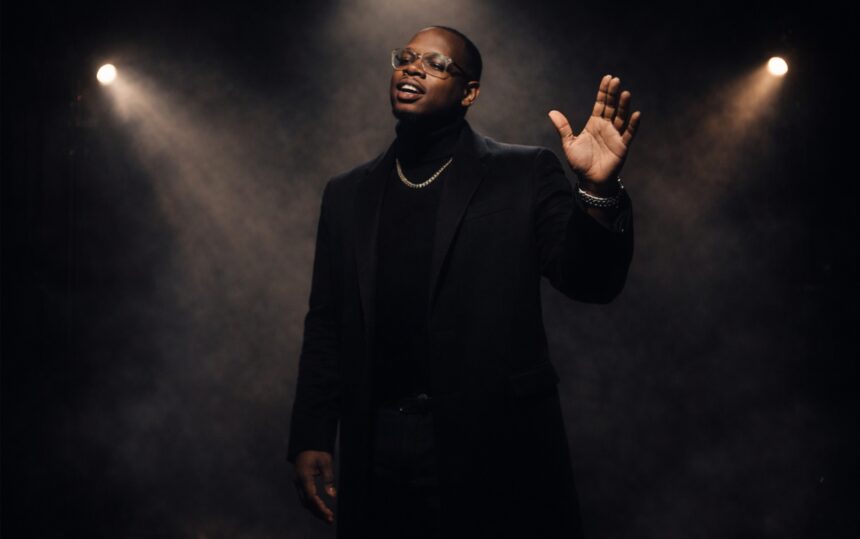
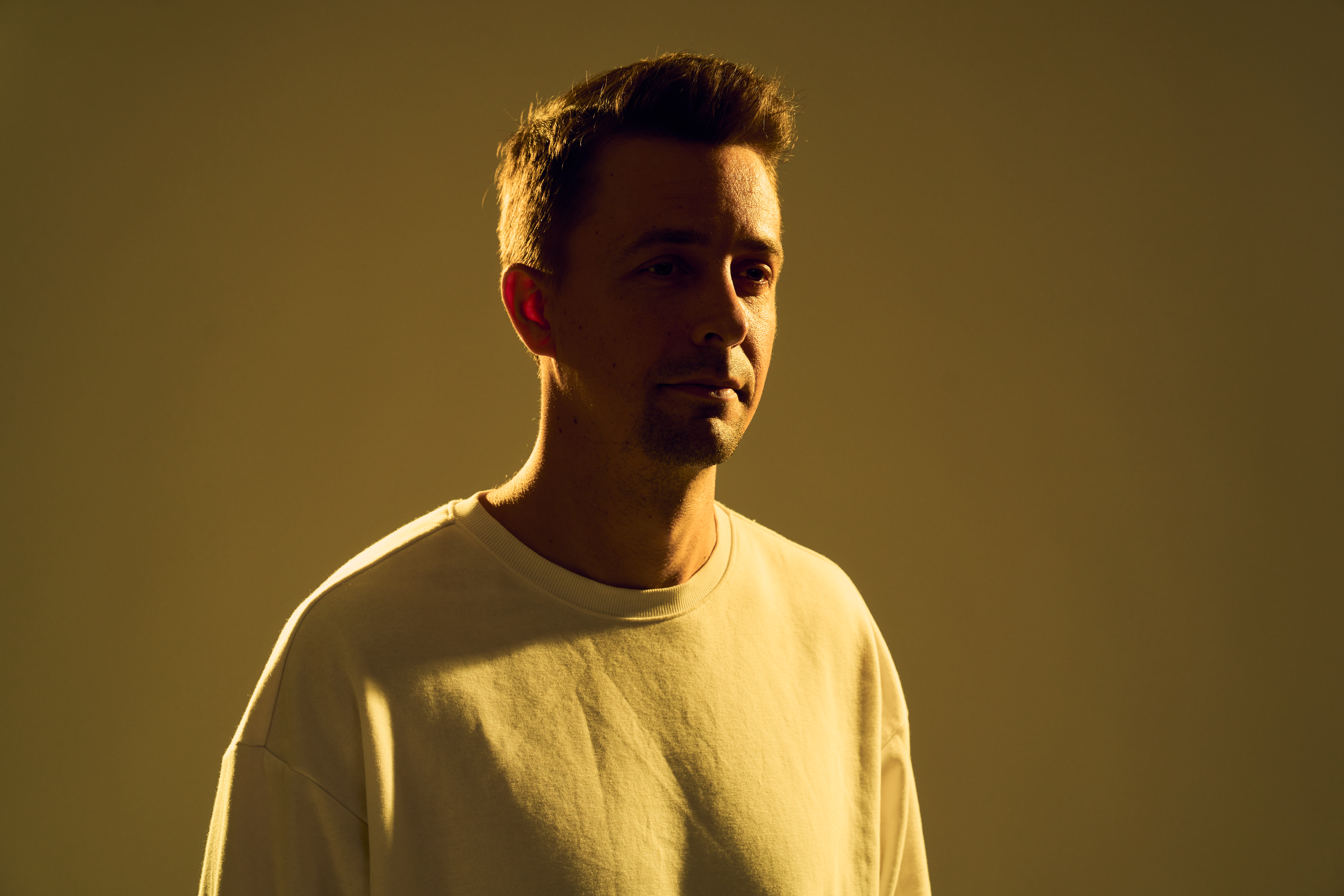
Washington, D.C. R&B singer Mojo Marc, born Marcus Antonio Bell, released “Please Love Me“ on January 30, 2026, via Major Record Distribution through The Orchard. The single, produced by Grammy-winning producer Billy D, is spare and deliberate: slow tempo, wide spaces between notes, a vocal that holds the whole weight of the song. It follows his 2025 debut single “My Life,” and together the two tracks announce an artist building something patient and real.
Mojo Marc is visually impaired. That fact shapes everything about how he approaches performance. There are no elaborate choreographed moments, no spectacle to hide behind. When he steps up to a microphone, it is just the voice. His stage approach is what forces the issue, and he is not complaining about it.
I focus on what I can do,” he has said. “The voice needs to carry everything” It does
From East Capitol Street to the Studio
Marc grew up on East Capitol Street in Washington’s northeast corridor, near 58th Street. It is a neighborhood that, like much of the District, has its own texture: tight-knit community, constant change, the particular pride of people who know their block. His mother made sure her kids saw more than that block. There were Metro rides, trips to Pentagon City Mall, the sense that Washington was larger than any single street.
Music entered early and quietly. He sang in a school choir, performed in a Christmas show built around Rudolph the Red-Nosed Reindeer, picked up violin and flute in middle school. None of it felt like a career. It just felt like something he liked.
For years, the city’s dominant industry pulled him in a different direction. Washington runs on government work, and Marc entered that world at eighteen, moving through administrative roles, personnel management, and public-sector contracts over the course of a decade. Stable employment. Credential badges. A career path that made sense.
Then the contract ended. A colleague told him he was still young. He should go find something that mattered to him.
He decided to bet on music.
I didn’t want to wake up years later and realize I wasted my time,” he said. “I’d rather fight for something I believe in”
‘Please Love Me’ and What Came Next
The song started with an atmosphere. Mojo Marc was searching for an emotional anchor before writing anything, and he landed on Giveon’s “Heartbreak Anniversary.” The mood it created was exactly what he needed. A phrase surfaced. Please love me. From there, the melody came, then the concept went to Billy D, and the chorus arrived quickly. The rest of the track took shape over weeks of sessions.
He describes the collaboration with Billy D as genuinely meaningful. Having a Grammy-winning producer invest real time in the work confirmed something for him about where his career was headed.
The song is about emotional desire at its most unguarded. Not heartbreak as drama, but the quieter version, the moment when you are asking someone to stay and you are not sure they will. Marc says the theme is personal. Relationships have not always been easy for him, and insecurity has been part of that.
But the song is not about defeat. It is about saying the thing before it is too late.
His influences make the approach legible. He cites Stevie Wonder not just musically but as a model of what is possible when an artist refuses to let any obstacle narrow the vision. Luther Vandross, Peabo Bryson, Erykah Badu, Sam Smith, Jill Scott: artists who built careers on expression rather than display. That lineage runs through “Please Love Me” openly.
The distribution infrastructure is in place. In 2024, Marc signed a three-year deal with Major Record Distribution, securing global rollout through The Orchard’s system through 2027. “Please Love Me” has been circulating in radio promotion circuits and among DJs since its release. The reach is growing.
He is not treating any of this as a destination.
I’m always learning,” he says. “This is just the beginning”
Demarco Hines was raised in Brooklyn by a Nigerian father who blasted Fela Kuti in the kitchen and an aunt who introduced him to Whitney Houston before he could read. He covers hip-hop, pop, and celebrity culture for Latetown Magazine, with a particular focus on how Black artists navigate mainstream success without losing the plot. Before joining the team he spent three years running a music column for an independent Brooklyn publication that nobody outside the borough knew about but everyone inside it read religiously.