


Maroon 5 and Wiz Khalifa’s 2012 hit ‘Payphone’ has crossed 1 billion views on YouTube, joining the band’s billion-view club
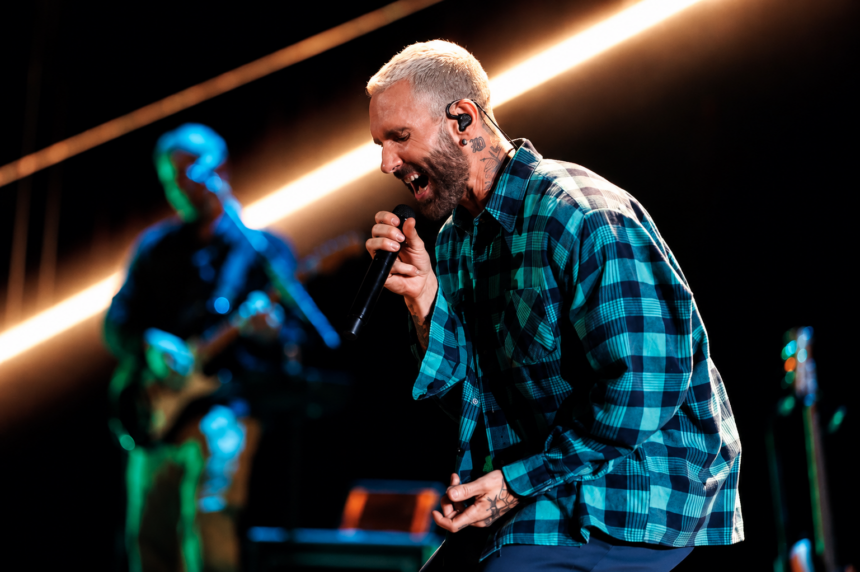
Fourteen years after Adam Levine first sang about being stranded at a payphone, the song has reached a destination few tracks ever do. Maroon 5‘s 2012 smash “Payphone,” featuring Wiz Khalifa, has officially surpassed one billion views on YouTube, joining an elite club and cementing the single’s status as one of the most enduring pop hits of its era. The milestone confirms what the streaming age keeps proving: certain 2010s pop songs simply refuse to fade.
The achievement adds another entry to Maroon 5’s already crowded trophy case on the platform. The band now counts multiple videos past the billion-view threshold, including “Sugar,” the Cardi B-featuring “Girls Like You,” which has sailed past four billion, “Memories,” and “One More Night.” For a group that has spent more than two decades as one of pop’s most reliable hitmakers, “Payphone” crossing the line is less a surprise than a confirmation of longevity.
The Song That Rewrote Maroon 5’s Reach
“Payphone” was a juggernaut from the moment it arrived. Released April 16, 2012, as the lead single from the band’s fourth album Overexposed, it debuted at No. 3 on the Billboard Hot 100 before peaking at No. 2. The commercial numbers were staggering: it sold 493,000 copies in its first week, at the time the best digital sales week ever for a group, and went on to become the world’s fifth best-selling single of 2012 with 9.5 million copies sold globally.
Its reach extended well beyond the United States. “Payphone” spent eight consecutive weeks at No. 1 in Canada and topped the UK chart, becoming Maroon 5’s first-ever single to do so. The pairing of Levine’s aching hook with Khalifa’s breezy verse, orchestrated by co-writer and co-producer Benny Blanco, proved a template the band would return to again and again, welding pop-rock melody to a hip-hop feature.
The accompanying video played its own part in the song’s staying power. Directed by Samuel Bayer, the clip cast Levine in an action-movie narrative, taking down bank robbers, escaping a hail of bullets, and getting mistaken for a criminal himself before outrunning a fleet of police. It was cinematic, a little absurd, and endlessly rewatchable, exactly the kind of visual that keeps a song circulating across generations of listeners.
A Testament to Streaming Longevity
The billion-view milestone matters because of how the metric has evolved. When “Gangnam Style” became the first video to reach one billion views in December 2012, the same year “Payphone” dropped, the feat was practically unheard of. By 2024, more than 400 videos had crossed the mark. What separates the true classics is not just reaching a billion but continuing to accumulate views long after the promotional cycle ends, and “Payphone” has done exactly that, quietly compounding for over a decade.
For Maroon 5, the timing is fortuitous. The band remains a touring powerhouse and a fixture of pop radio, and milestones like this reinforce the catalog value that keeps them commercially relevant even between album cycles. Wiz Khalifa, too, adds another billion-view credit to a résumé that already includes “See You Again,” his Charlie Puth collaboration that ranks among the most-viewed videos in YouTube history at over seven billion.
The broader story is about the durability of a specific pop moment. The early 2010s produced a wave of glossy, feature-driven crossover hits, and “Payphone” was among its defining examples. That it continues to draw listeners in 2026, well into an era dominated by TikTok virality and algorithmic playlists, speaks to the song’s fundamental craftsmanship.
A billion views is a numerical milestone, but what it really measures is staying power, and by that count, “Payphone” has more than earned its place. The payphone may be a relic, but the song about it is proving remarkably hard to hang up.