




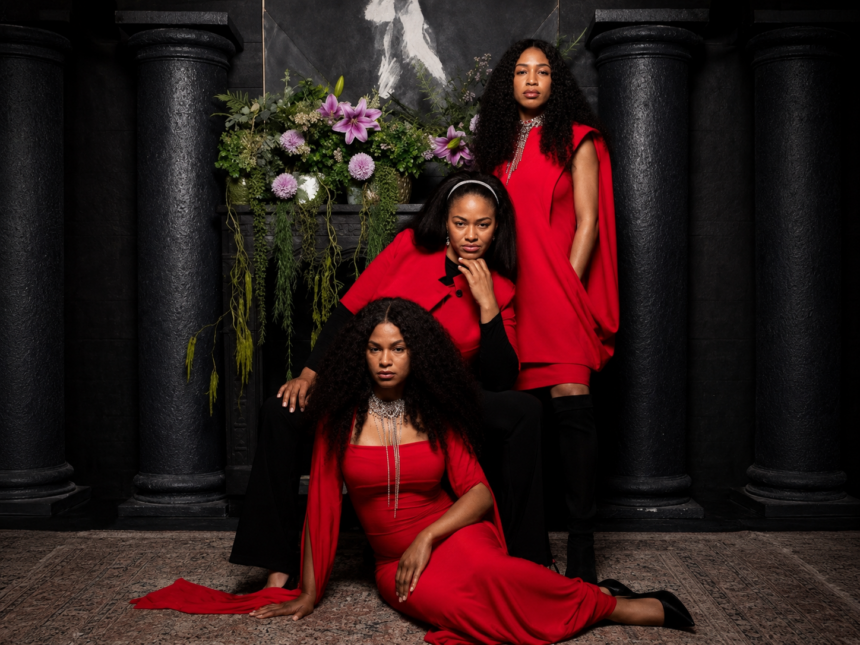
The Womack Sisters’ self-titled Daptone debut turns a towering soul lineage into a warm, autobiographical statement of their own
Few debut albums arrive carrying as much history as The Womack Sisters. Released August 14 via Daptone Records, the self-titled first full-length from Kucha, Zeimani and BG Womack is the culmination of a long, itinerant road, and a reckoning with a bloodline that would flatten most new acts. The three sisters are the granddaughters of Sam Cooke, the daughters of Cecil and Linda Womack (better known as Womack & Womack), and the nieces of Bobby Womack. On these 11 songs, they neither hide from that inheritance nor lean on it. They metabolize it into something that finally belongs to them.
The pairing with Daptone is the album’s masterstroke. The Brooklyn label that shaped the careers of Sharon Jones and Charles Bradley is the ideal setting for the Womacks’ warm, analog vision of soul, and co-founder Bosco Mann (Gabriel Roth) and the Dap-Kings ecosystem give the record its rich, lived-in body. The result is a knowing refresh of mid-to-late-’60s pop-soul, expansive and luxurious, that harkens back to a time when pop music carried substance, vibe and purpose. The backing music never competes with the voices. It swells when summoned and recedes when the harmonies need room.
Three Voices, One Bloodline
The trio works best when all three take turns leading and then fold back into harmony, an ease that only shared blood can produce. The opener “Chauffeur” is the thesis statement, grounded in brass, strings and drums as the sisters spin driving metaphors for love and heartbreak. Its backstory gives it weight. The song is sung from the perspective of a down-on-her-luck driver for hire, a direct nod to a real stretch when the sisters struggled as musicians in Los Angeles, a period that included a brief dalliance with ride-sharing after industry gatekeepers told them there was no appetite for the soul they wanted to make.
That rejection is essential to understanding why this album feels so unforced. The Womacks did not stroll into acclaim. They performed with their restless parents from childhood, later toured as their uncle Bobby’s backing singers, and were sought out by artists as varied as Solange, B.o.B. and Mýa. They self-financed a debut single in 2016 and released a 2022 EP called “Legacy” before their protracted climb finally led them to Daptone. The wait reads all over the music as patience rather than desperation.
Looking Forward By Looking Back
Across the record, the interplay is the reward. “Laughter and Tears“ shimmers with hand drums and funky, accented keys, while the closer “My Sisters and Me” drifts by as a relaxed, flowing theme song, its final refrain (people come and go, but darling this I know, it will always be my sisters and me) crystallizing the album’s deeply autobiographical heart. Reviewers have reached for names like Marvin Gaye, Diana Ross and the Supremes, and the comparisons are earned, but the Womacks are not reenactors. They are heirs writing a new chapter.
That is the quiet triumph here. In a moment thick with retro-soul revivalism, The Womack Sisters could have coasted on nostalgia and pedigree. Instead they have made an album that looks forward by looking back, honoring a staggering lineage while carving a sound that is unmistakably their own. It is the kind of assured, soul-soaked debut that feels like stumbling on a lost gem in a crate of vinyl, except it is brand new, and the sisters singing it have been preparing their whole lives to be heard on their own terms at last.