


Rockaway Beach adds Sleeper, Swim Deep, Master Peace and more to its 2027 Bognor Regis line-up as 85% of tickets sell
Rockaway Beach has quietly become the festival that tells you what the year is going to sound like. On July 31, the Bognor Regis weekender unveiled a second wave of names for its 2027 edition, adding Sleeper, Swim Deep, Master Peace, Joshua Idehen and Lucia & The Best Boys to a bill that runs January 7 to 9 at Butlin’s. With 85% of tickets already sold and three-day packages starting from £110 per person, the festival is close to a lock-out before the calendar has even turned.
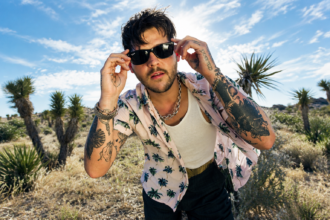
The new additions read like a snapshot of British guitar music across three decades. Sleeper carry the Britpop lineage, a band whose mid-90s run made them one of the era’s defining voices. Swim Deep bring the woozy B-Town indie of the 2010s. Master Peace and Joshua Idehen pull the whole thing into the present, restless and genre-fluid. That spread is the point. Rockaway has always treated a line-up as a conversation between past, present, and future rather than a list of the biggest available names.
A Line-Up That Refuses to Pick a Lane
Beyond the headline five, the bill deepens with City Parking, Essential Logic, Gen & The Degenerates, Melanie Baker, Murkage Dave, Slag and The Wran. They slot in alongside previously confirmed acts including The Charlatans, Getdown Services, SPRINTS, The Twilight Sad, Madra Salach, Cockney Rejects, Lemonsuckr, Mouth Ulcers and Pigeon. Organisers say more names are still to come, which is usually where Rockaway does its most interesting work, filling the undercard with acts most of the room hasn’t heard yet but will spend the rest of the year chasing.
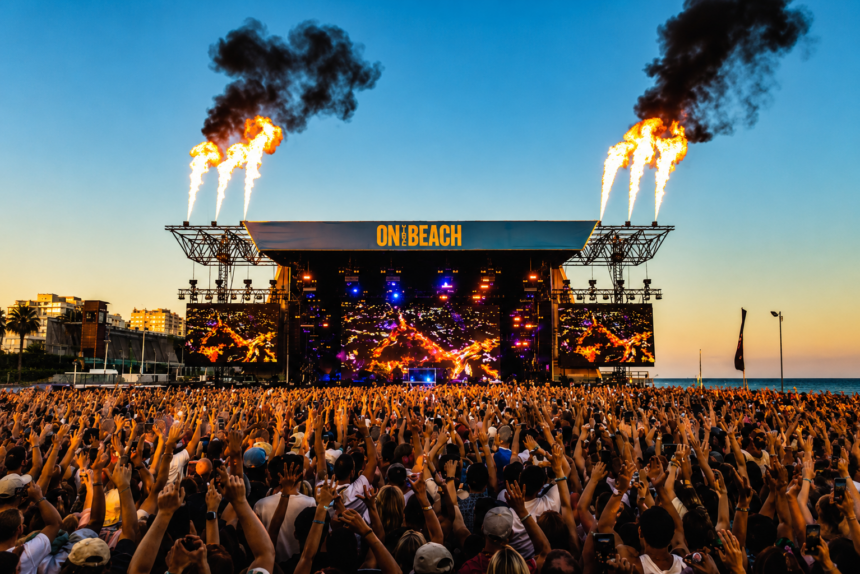
Part of what makes the festival distinct is structural. Founded in 2015 by Ian Crowther, Rockaway was built as a kind of live mixtape, designed to minimise the stage clashes that define bigger weekenders. For years, that meant you could genuinely see everything. The event runs across two stages held in tandem, packing roughly 35 performances into the first Friday, Saturday and Sunday of January, and its timing has earned it a reputation as an early tastemaker moment, regularly covered by the national and music press.
Why January in Bognor Actually Works
The setting is its own quiet argument. Rockaway is a non-greenfield festival, which is a polite way of saying there are no tents and no January mud. Guests stay in hotels and chalets folded inside the festival perimeter, with a swimming complex, arcades, bars and restaurants all part of the experience. Recent editions have leaned into that comfort while stacking the music, with the tenth anniversary in 2025 pulling in Spiritualized, Leftfield and Ride, and pushing the festival into the larger Studio 36 arena space to meet growing demand.
That growth is the subtext of this year’s fast-moving ticket count. What started as a cult proposition, a boutique indie weekend at a seaside holiday camp in the dead of winter, has hardened into an institution with a loyal community of returning “beach bums.” The near-sold-out status of the 2027 edition suggests that reputation is doing the heavy lifting long before the full bill is even public.
For the artists involved, it is a valuable slot. Playing Rockaway in early January means playing to a room of serious listeners and press at the exact moment the industry is deciding what the year ahead looks like. For Sleeper, it is a chance to remind a new audience why they mattered. For Master Peace, Joshua Idehen and Lucia & The Best Boys, it is a platform to argue they are part of what comes next. Rockaway Beach has always been comfortable holding both of those stories at once. With most of the tickets already gone, the festival’s quiet confidence looks, once again, entirely earned.