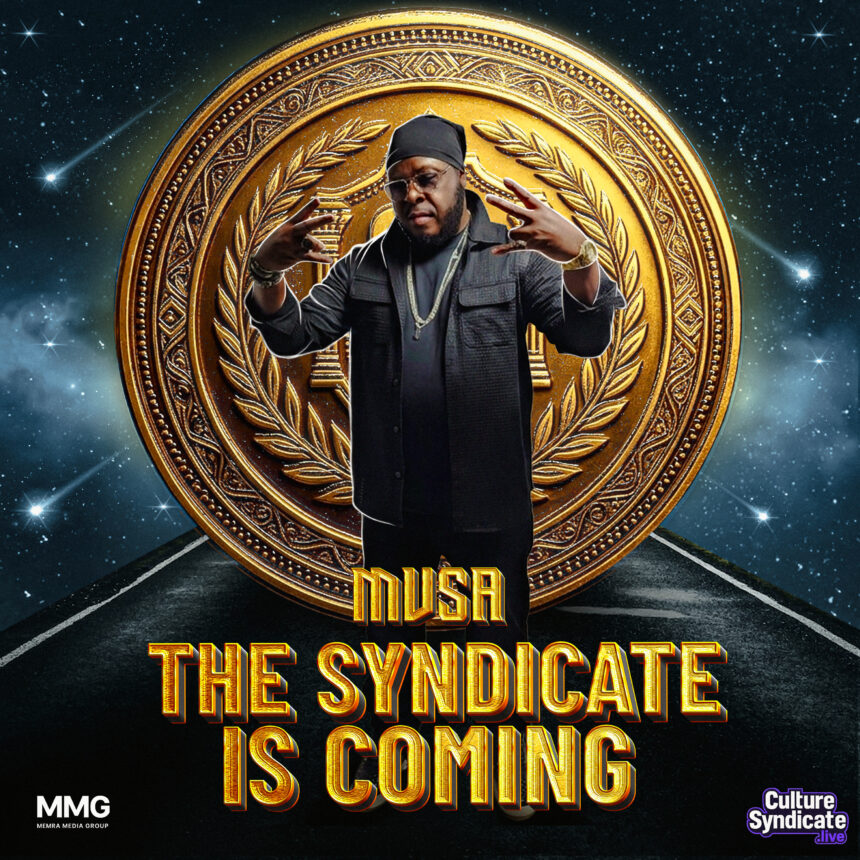
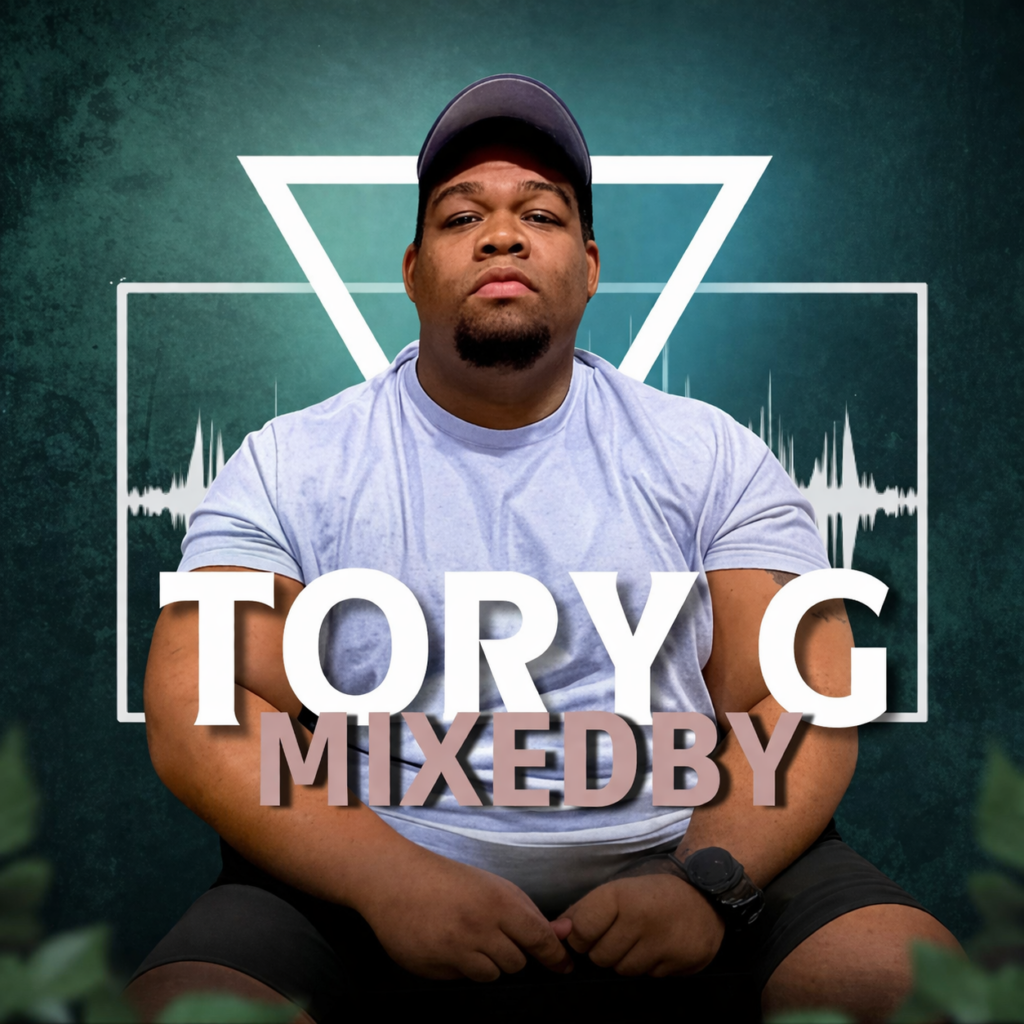
There is a certain kind of confidence that doesn’t announce itself loudly. It shows up in the details: a color palette built around cream, maroon, black, and gold; a platform infrastructure that puts the artist at the center; a brand statement that reads not like a pitch but a promise. Culture Syndicate, the new multi-platform venture founded by Ashanti Wiggins (MVSA), Torian Chavis (ToryG), and Che Dwyer (Psymusiq), launched officially on April 7, 2026, out of Amman, Jordan, and it carries that same quiet authority. This is not a label play. It is something broader.
The timing is intentional, even if the founders don’t say it that way. In 2026, nearly 65 percent of all new music is self-released, according to recent industry data, and independent artists are increasingly treating their careers as micro-economies rather than waiting rooms for label attention. Major distributors are consolidating under corporate umbrellas: CD Baby, FUGA, and Songtrust all moved under Universal Music Group’s ownership earlier this year. The independent infrastructure is quietly shrinking just as artist autonomy has never been louder. Culture Syndicate enters at exactly that fault line.
What Culture Syndicate Actually Is
Powered by Memra Media Group, a sublabel operating under EMPIRE, the independent label and global publisher that has continued expanding its international footprint into 2026, Culture Syndicate has infrastructure behind the vision. EMPIRE’s model has long centered on giving artists reach without sacrificing ownership. That ethos runs through everything Culture Syndicate is building.
The first wave of artists on the platform reflects genuine range. Liv3FromHeaven brings genre-bending, emotionally charged soundscapes. JLN works in a melodic space where modern R&B meets cinematic texture. Ziymarion delivers raw music with the kind of global resonance that does not need translation. These are not names that arrive with backstory. They arrive with potential, which is precisely the point.
A Brand with a Point of View
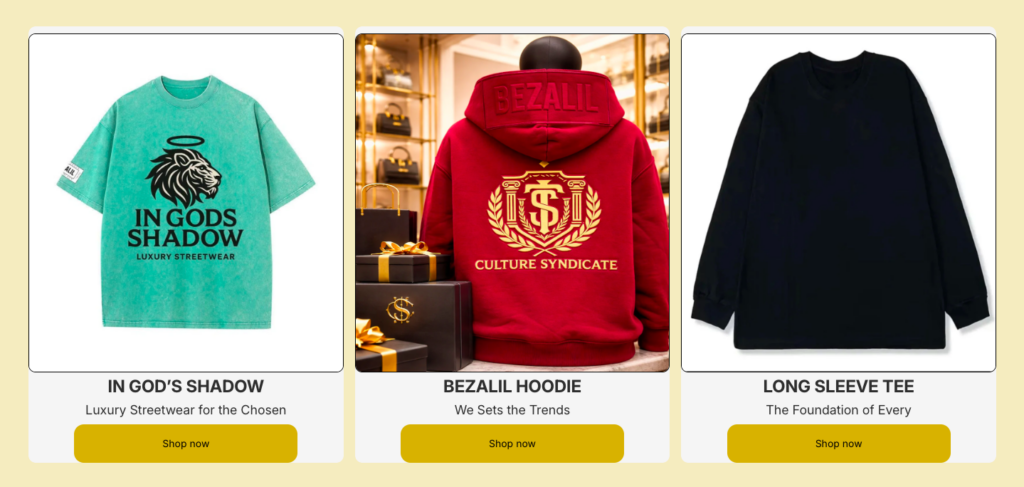
Culture Syndicate’s visual identity, anchored in that signature cream, maroon, black, and gold palette, does not read like a startup. It reads like something that has been building quietly for a while and is only now ready to be seen. The brand’s streetwear arm leans toward luxury without the distance. Limited drops tied to music moments. Collectibles that mean something. Merchandise that is not an afterthought.
The founders describe the broader mission as breaking traditional industry barriers and creating monetization pathways outside the usual gatekeepers. In practice, that means direct-to-fan access, community engagement through livestreams, and a platform structure where the artist relationship with the audience is not mediated by an algorithm someone else controls. Industry analysts tracking the independent space have noted that the artists who will define the next decade are those who build what one recent report called “sustainable micro-economies,” owning their data, their economics, and their audience relationships directly.
Culture Syndicate’s roadmap points toward global tours, festival activations, and hybrid concert experiences. There is ambition here that extends well past a launch press release. The brand’s own motto,
We don’t follow trends. We Set the Trends”
lands less like a slogan and more like an editorial position. From Amman to wherever the next wave breaks, Culture Syndicate is watching and building at the same time. The platform is live. The artists are ready. What comes next is the part worth watching.